AI Privacy Blog
Anonymous AI Privacy News & Research
Articles on AI privacy, data security, anonymous AI usage, and the privacy policies of major AI providers.
September 4, 2026
AI answers can sound confident while missing context or mirroring your assumptions. Learn a practical bias check—and compare leading models privately in GPTAnon.
Read more →
September 3, 2026
Learn how to get an independent AI second opinion, compare assumptions and evidence, and turn model disagreement into questions you can verify.
Read more →
September 3, 2026
When ChatGPT, Claude, and Gemini disagree, do not choose the most confident answer. Learn how to compare assumptions, evidence, risk, and missing context.
Read more →
August 18, 2026
Want Gemini-style AI answers without tying sensitive prompts to your Google account? Learn what Gemini retains, where human review matters, and when GPTAnon is the safer first step.
Read more →
August 18, 2026
Employees use AI for HR, legal, finance, strategy, code, and customer questions. Learn why sensitive work prompts should start anonymously in GPTAnon before they become account-linked AI records.
Read more →
August 18, 2026
Immigration questions can reveal status, family history, employers, addresses, travel, finances, and legal risk. Learn how to use GPTAnon as a private first pass before asking account-based AI tools.
Read more →
August 18, 2026
Tax questions can expose SSNs, income, employers, dependents, deductions, bank details, debt, and legal risk. Learn how to ask AI privately with GPTAnon before using account-based chatbots.
Read more →
August 18, 2026
AI agents can connect to apps, files, calendars, and services. Use this privacy checklist before giving ChatGPT, Claude, Gemini, or Grok access to sensitive data.
Read more →
August 18, 2026
AI privacy is not just about model training. Learn when ChatGPT, Claude, and Gemini chats may be reviewed by people, why users pay to avoid human review, and how GPTAnon protects sensitive questions before submission.
Read more →
August 18, 2026
AI memory and personalization can make chatbots useful, but sensitive prompts should not become long-term context. Learn how to use GPTAnon before ChatGPT, Gemini, Claude, or Grok remembers private details.
Read more →
August 18, 2026
Use AI without turning sensitive prompts into an account-linked history. A practical 2026 checklist for private AI chat, redaction, memory, retention, and safer model access.
Read more →

August 18, 2026
ChatGPT Temporary Chat hides chats from history and training, but OpenAI may retain a copy for up to 30 days. Compare it with anonymous AI chat before asking something sensitive.
Read more →
August 18, 2026
EU AI Act transparency rules began applying August 2, 2026. Learn what chatbot disclosure and AI-content labeling require—and what they do not protect about your private prompts.
Read more →
August 18, 2026
Learn what signed-out ChatGPT, Temporary Chat, training controls, redaction, and anonymous AI alternatives actually protect—and what they do not.
Read more →
August 18, 2026
Claude, ChatGPT, Grok, and shared AI artifacts have shown how public links can turn private prompts into searchable pages. Learn how to ask anonymously first with GPTAnon before sharing AI chats.
Read more →
August 16, 2026
Want AI search answers without account-linked history, trackers, or long-lived chat logs? Compare Perplexity, ChatGPT, Gemini, Claude, Grok, and GPTAnon for private AI search.
Read more →
July 9, 2026
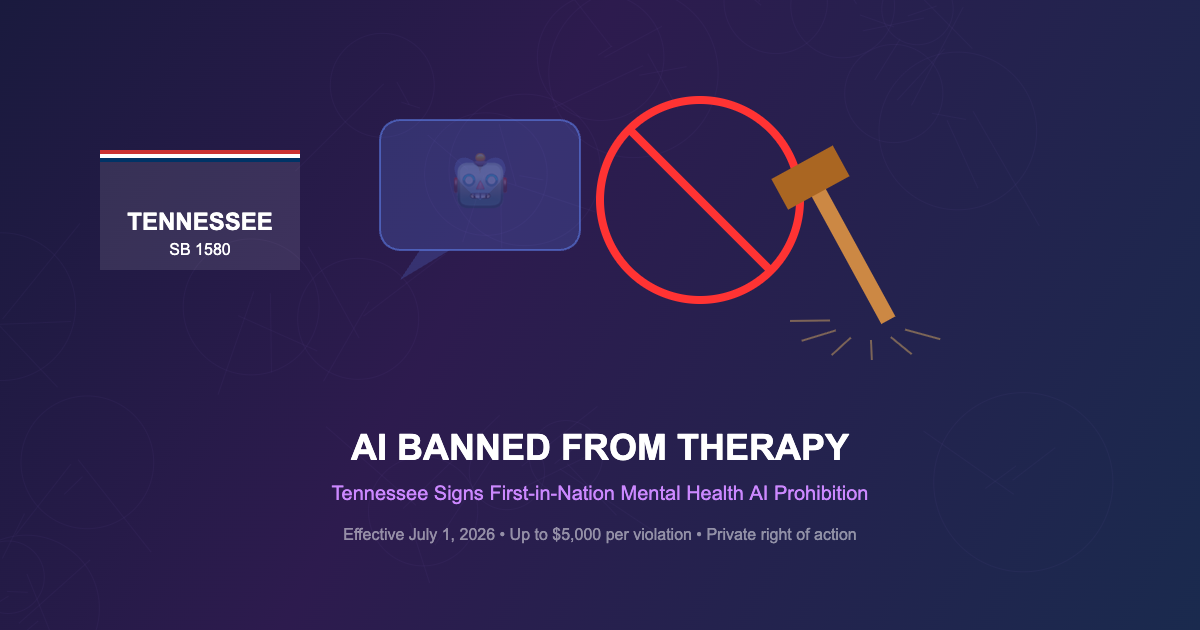
Governor Bill Lee signed SB 1580, making Tennessee the first state to explicitly ban AI systems from representing themselves as mental health professionals. It takes effect July 1, with fines up to $5,000 per violation.
Read more →
July 6, 2026
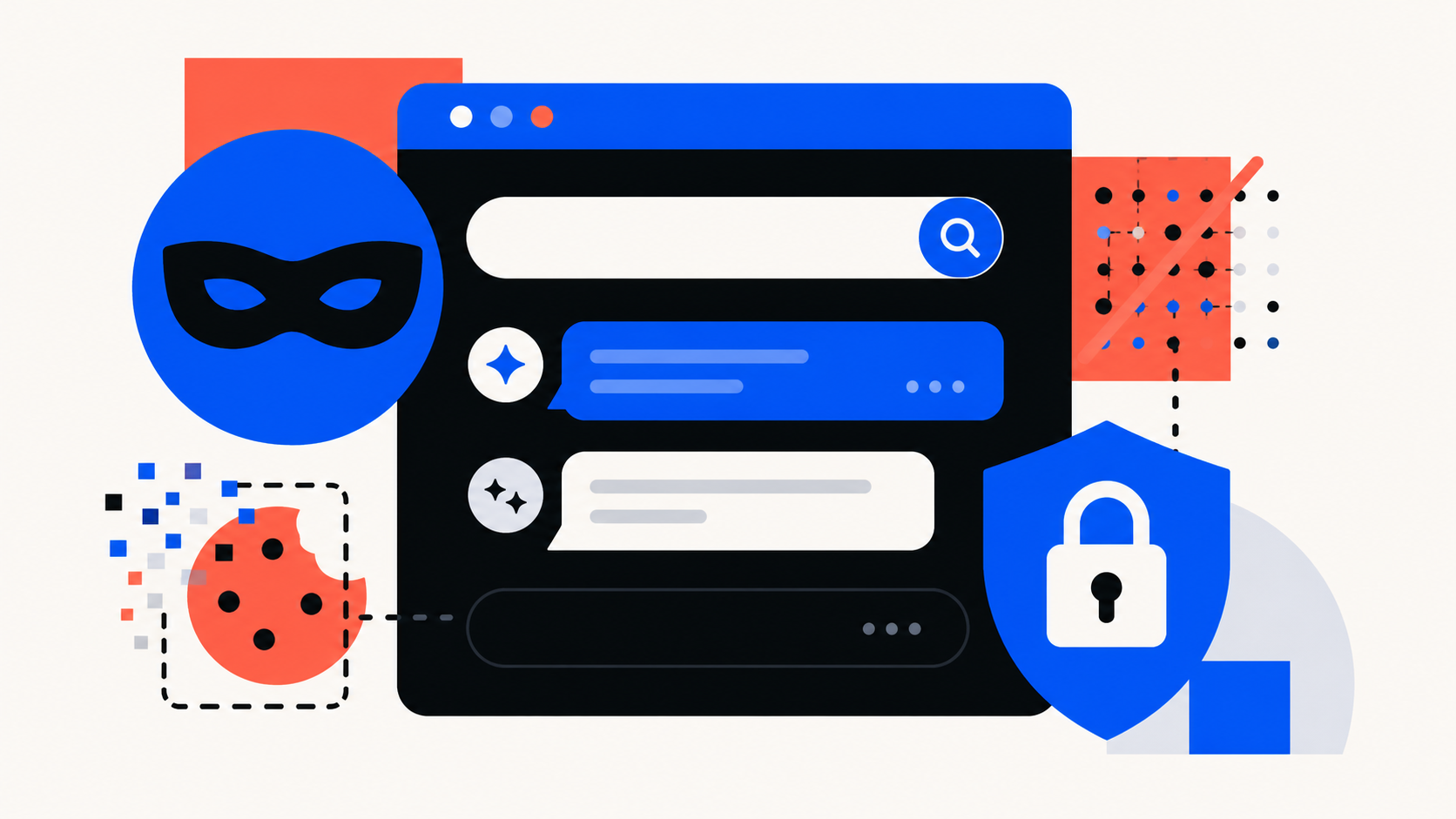
OpenAI released an open-source tool that scrubs your personal data before it ever reaches an AI model. It's a step forward — but it still doesn't solve the real problem.
Read more →

April 21, 2026
The new AI Foundation Model Transparency Act would force companies to reveal what data they train on. Great news for accountability — but what does it mean for your conversations?
Read more →
April 19, 2026
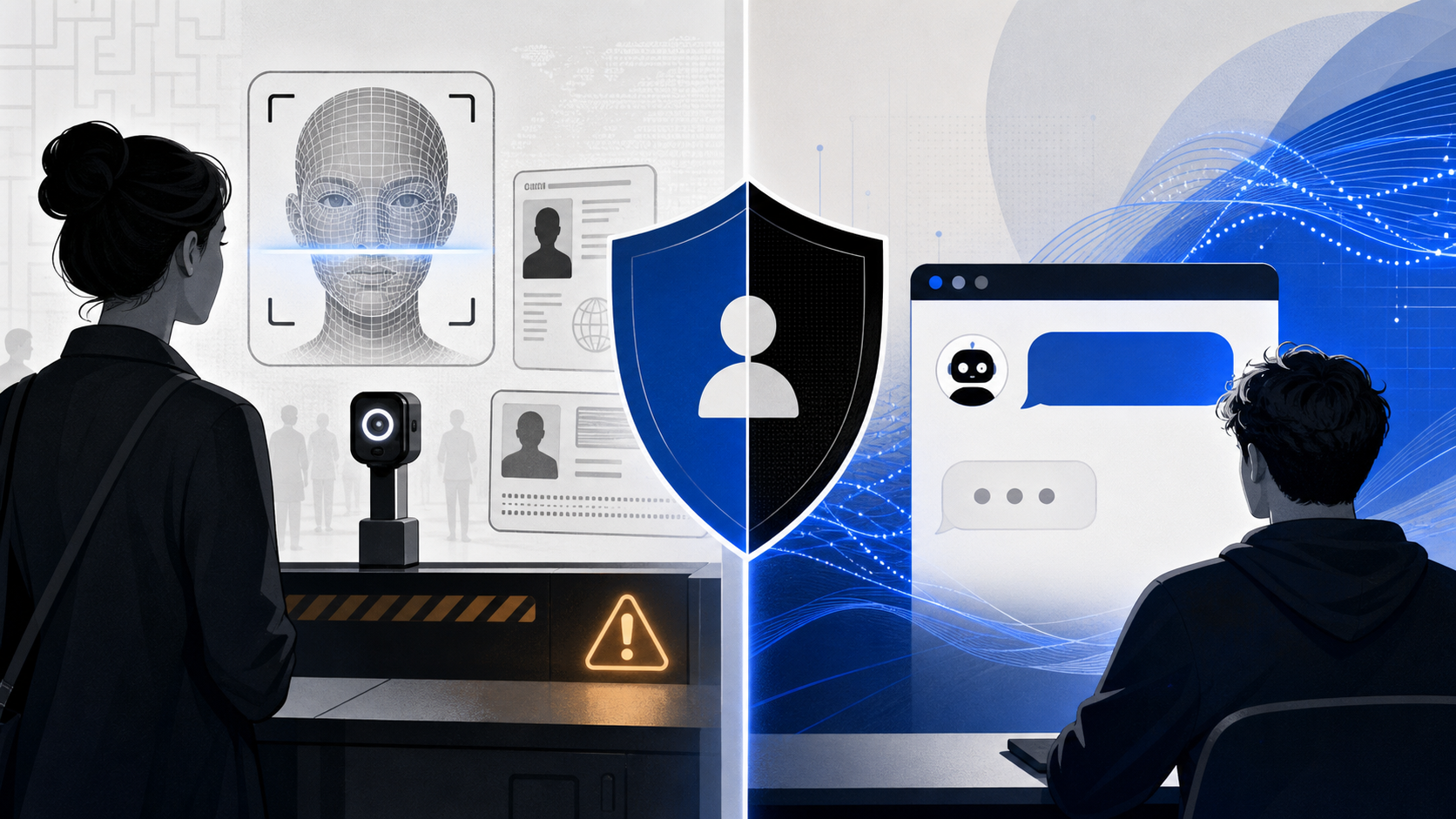
Anthropic now requires government ID to use Claude. With AI surveillance growing and FBI reporting $893M in AI scams, anonymous AI access has never been more important.
Read more →
April 17, 2026
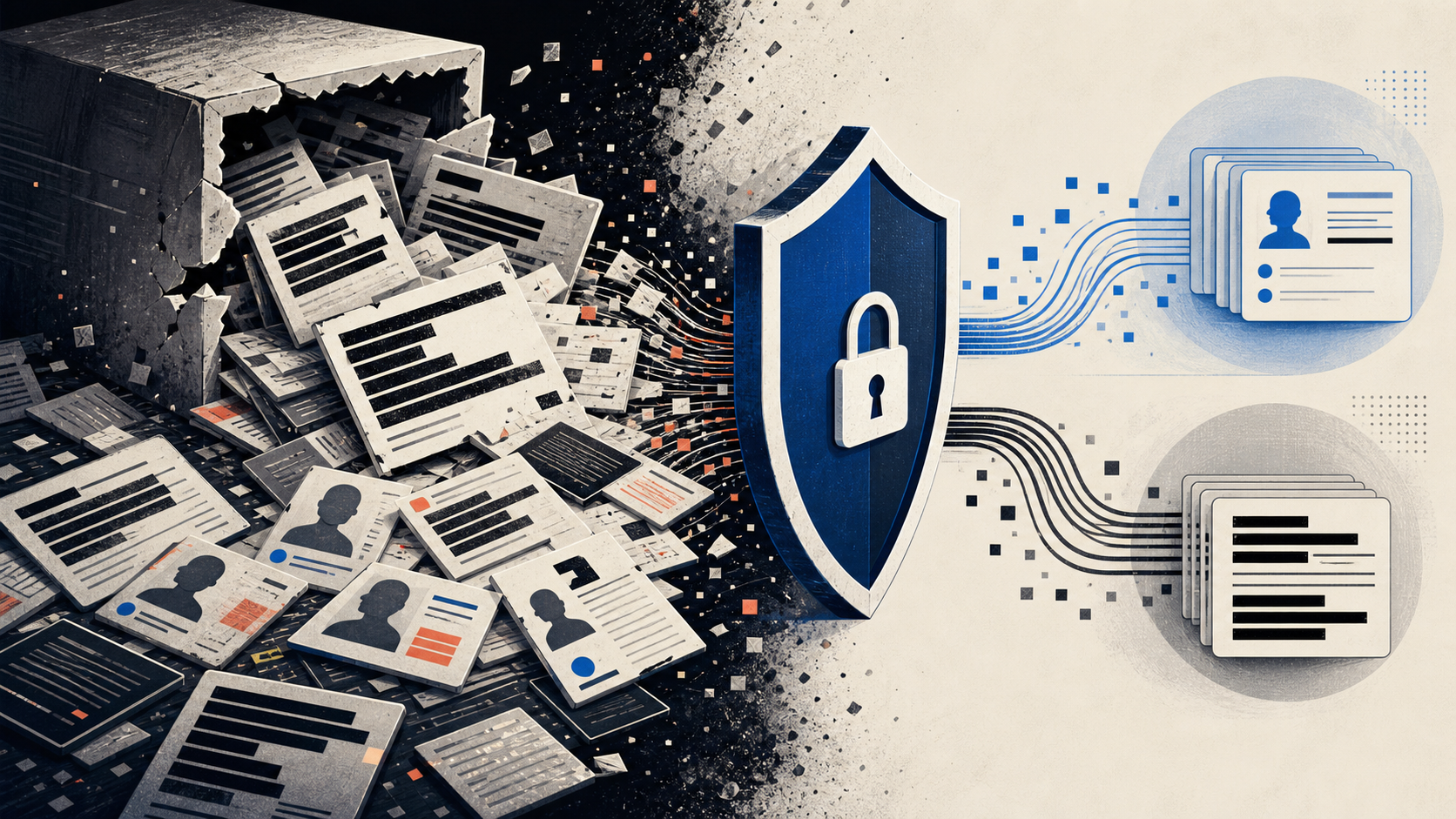
A massive data breach at AI companion app MyLovely.AI exposed over 100,000 users' most intimate conversations — complete with names, emails, and the exact prompts they typed. It's the clearest warning yet that AI privacy isn't optional.
Read more →

April 17, 2026
A major AI training data startup was breached, exposing 337,000 files totaling 7.7TB. Here's why data supply chain security is the next frontier in AI privacy.
Read more →
April 16, 2026
The FTC begins enforcing its updated COPPA rule on April 22, 2026. Here's what changed, which AI tools are exposed, and why a no-data architecture is the only real solution.
Read more →
April 14, 2026
A hacker claims to have breached OmniGPT and exfiltrated over 30,000 user emails, phone numbers, API keys, and sensitive settings. The incident underscores how third-party AI aggregators are becoming the weakest link in the AI supply chain.
Read more →

April 14, 2026
An exposed database at Chat & Ask AI spilled 300 million messages from over 25 million users — the full chat history, the model used, and account metadata, all sitting on the open internet.
Read more →
April 14, 2026
Security researchers report an attacker used Anthropic's Claude and OpenAI's ChatGPT to compromise ten Mexican government agencies — including the tax authority and electoral institute — and walk away with roughly 150GB of sensitive data.
Read more →
April 13, 2026
James Strahler II of Ohio became the first person convicted under the federal TAKE IT DOWN Act for creating AI deepfakes of adults and minors. The landmark case signals real enforcement of AI abuse laws.
Read more →
April 13, 2026
Japan's Cabinet approved amendments removing opt-in consent requirements for AI training data. The move explicitly prioritizes AI competitiveness over citizen privacy — and other nations may follow.
Read more →
April 13, 2026
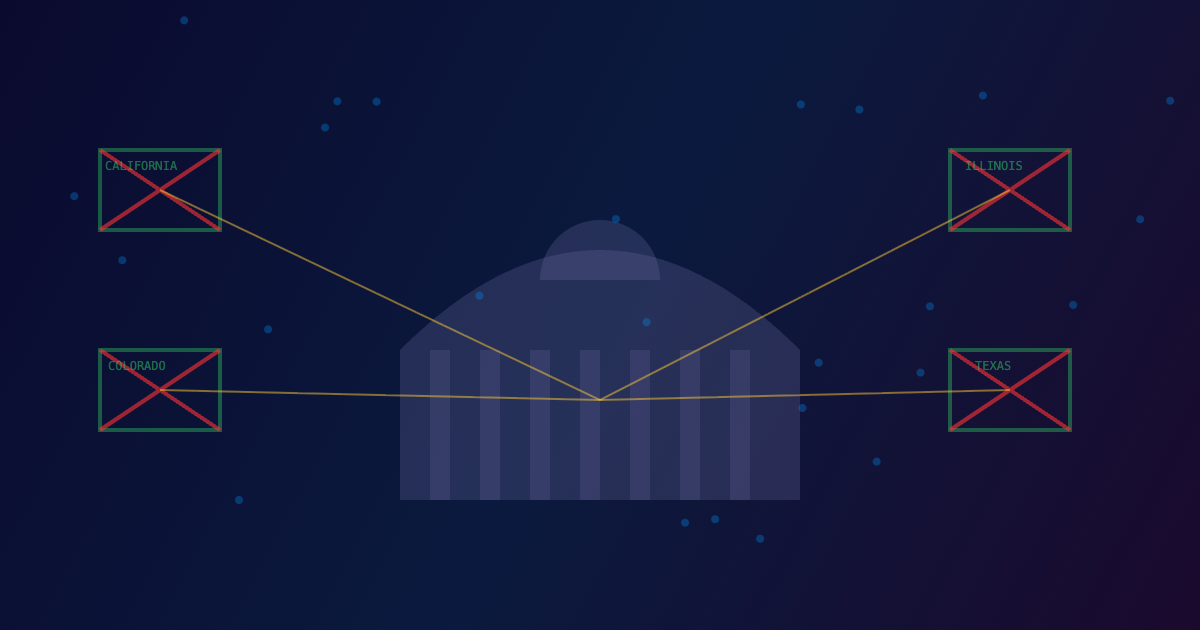
The White House AI framework recommends Congress override state AI privacy laws with weaker federal standards. It's the biggest structural threat to AI privacy regulation in America.
Read more →
April 13, 2026
Colorado's AI Policy Work Group wants to repeal and replace the state's landmark AI consumer protection law with a weaker framework. Critics say industry lobbying is winning over consumer privacy.
Read more →
April 12, 2026
A Netherlands court ruled that X's Grok chatbot must stop producing non-consensual nude deepfakes of real people. The penalty: €100,000 per day of non-compliance. It's the first court-ordered shutdown of an AI nudification feature in Europe.
Read more →
April 12, 2026
The European Parliament passed a sweeping ban on AI-powered 'nudifier' apps by a 569-45 vote. The legislation criminalizes the creation, distribution, and possession of non-consensual AI-generated intimate imagery across all 27 EU member states.
Read more →
April 12, 2026
California's SB 243 chatbot safety law just took effect, requiring AI companies to implement guardrails against harmful outputs targeting minors, add clear AI disclosure labels, and maintain human oversight mechanisms. Here's what changed.
Read more →
April 12, 2026
AI-related class action lawsuits have surged over 300% in the past year, targeting everything from training data scraping to biased hiring algorithms. Legal experts say the wave is just beginning as courts establish new precedents for AI liability.
Read more →
April 11, 2026
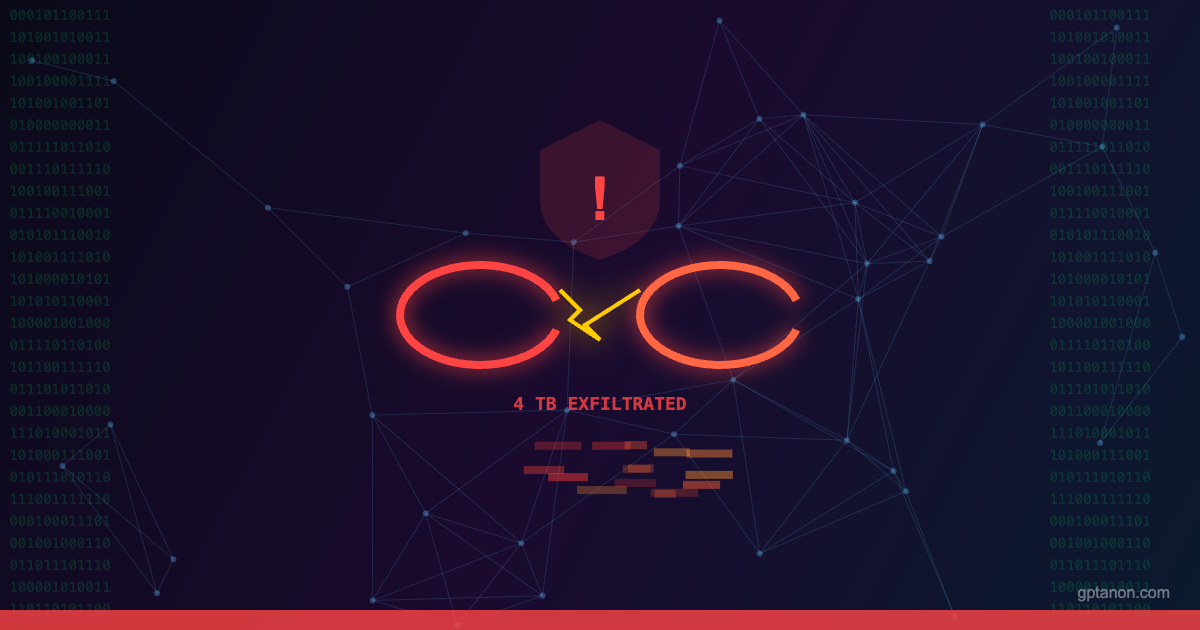
A compromised open-source LLM proxy gave attackers access to 4 terabytes of data from Mercor, an AI hiring startup valued at $10 billion. Five class-action lawsuits have followed — and the fallout is just beginning.
Read more →
April 10, 2026
A federal lawsuit reveals Google switched on Gemini AI for every Gmail, Chat, and Meet account without asking — scanning every message and attachment by default.
Read more →
April 10, 2026
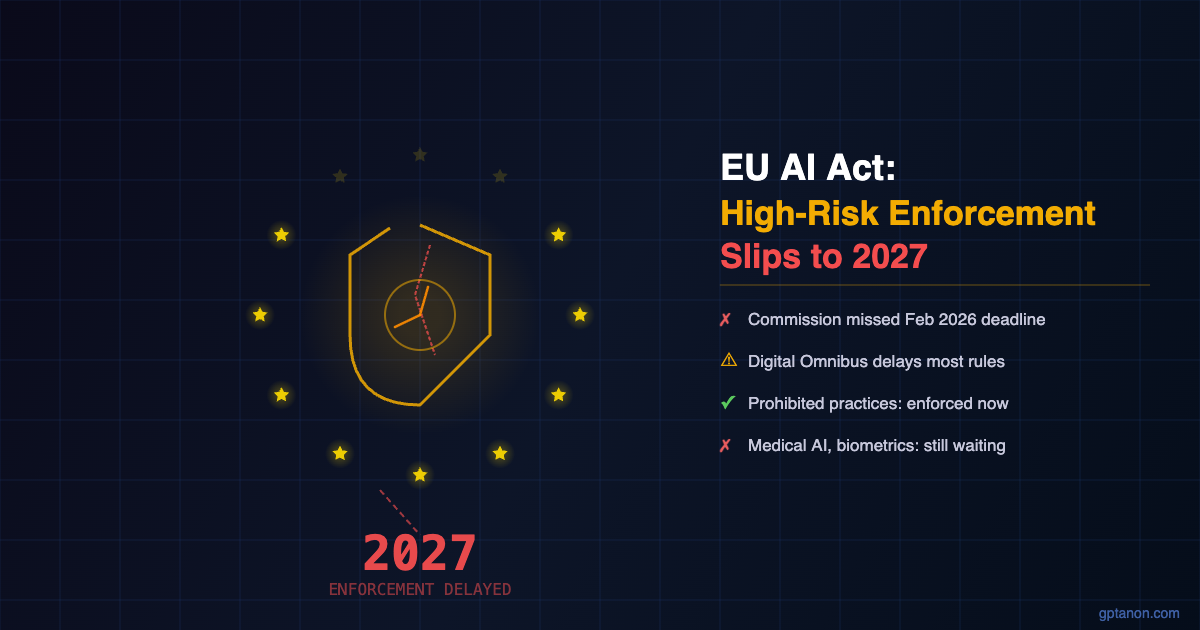
The European Commission missed its own deadline to explain how companies should comply with high-risk AI rules — and now Brussels is proposing to push enforcement into 2027. Here's what that means for your data.
Read more →
April 9, 2026
Governor Ferguson signed a landmark law protecting Washingtonians from AI-generated deepfakes and digital identity theft. With penalties doubled and new protections for your voice and image, it's the strongest state-level defense against AI impersonation yet.
Read more →
April 9, 2026
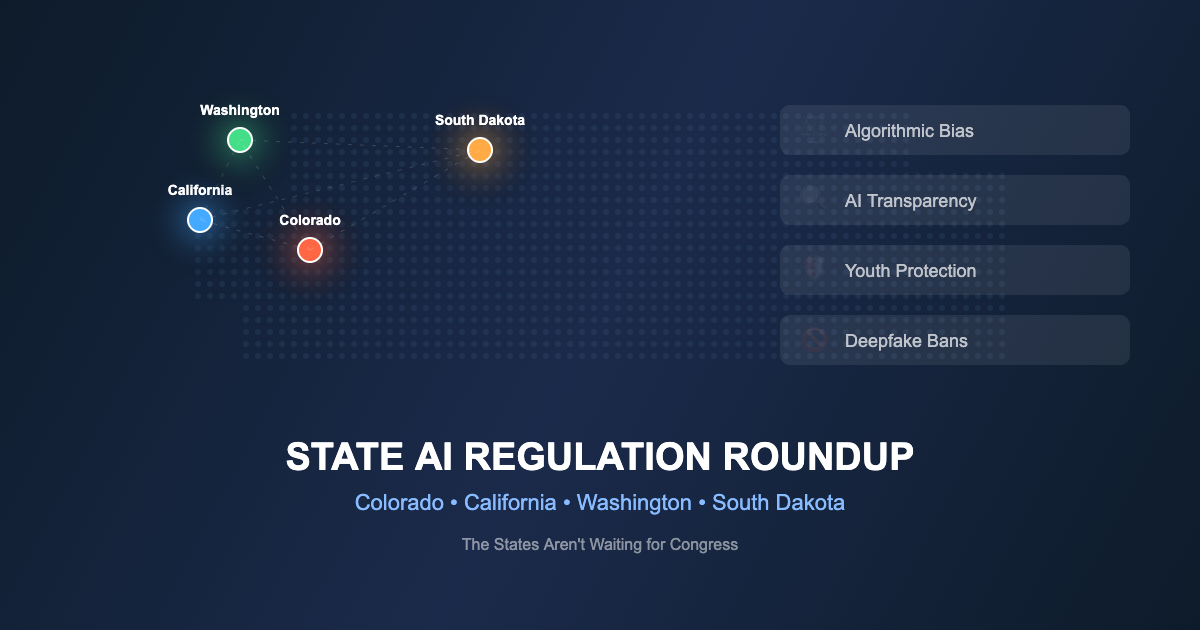
While Congress debates, states are acting. Colorado, California, Washington, and South Dakota are all moving on AI regulation — from algorithmic discrimination rules to chatbot protections for kids. Here's what you need to know.
Read more →
April 9, 2026
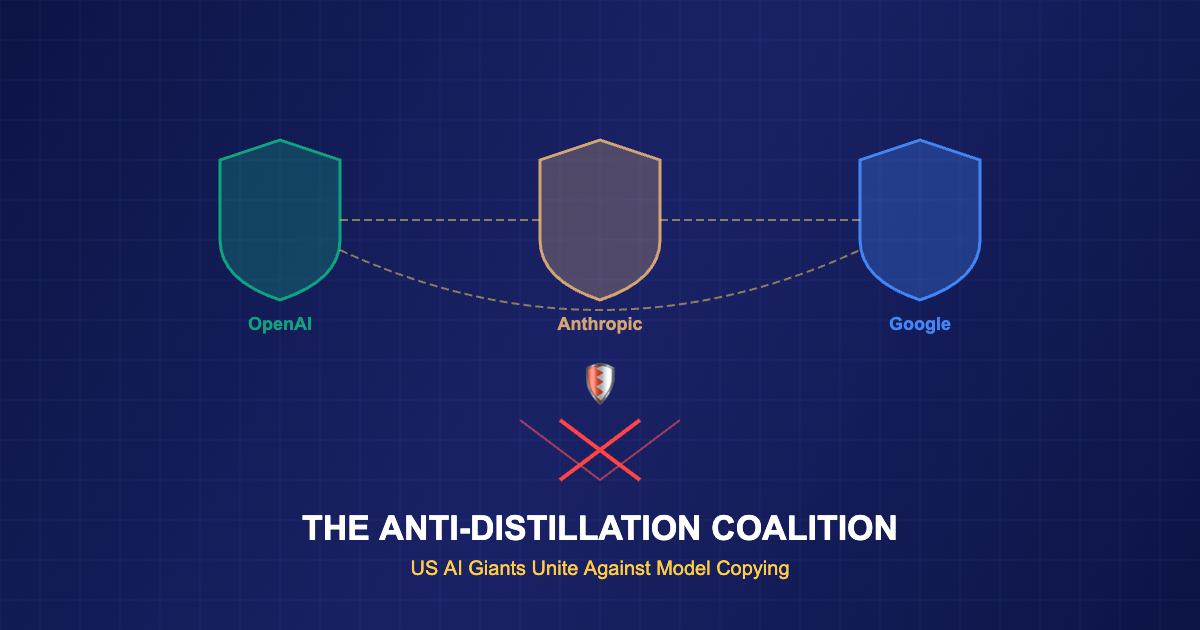
The three biggest American AI labs are sharing intelligence through the Frontier Model Forum to detect and block Chinese companies from cloning their models. The implications for openness and privacy are complicated.
Read more →
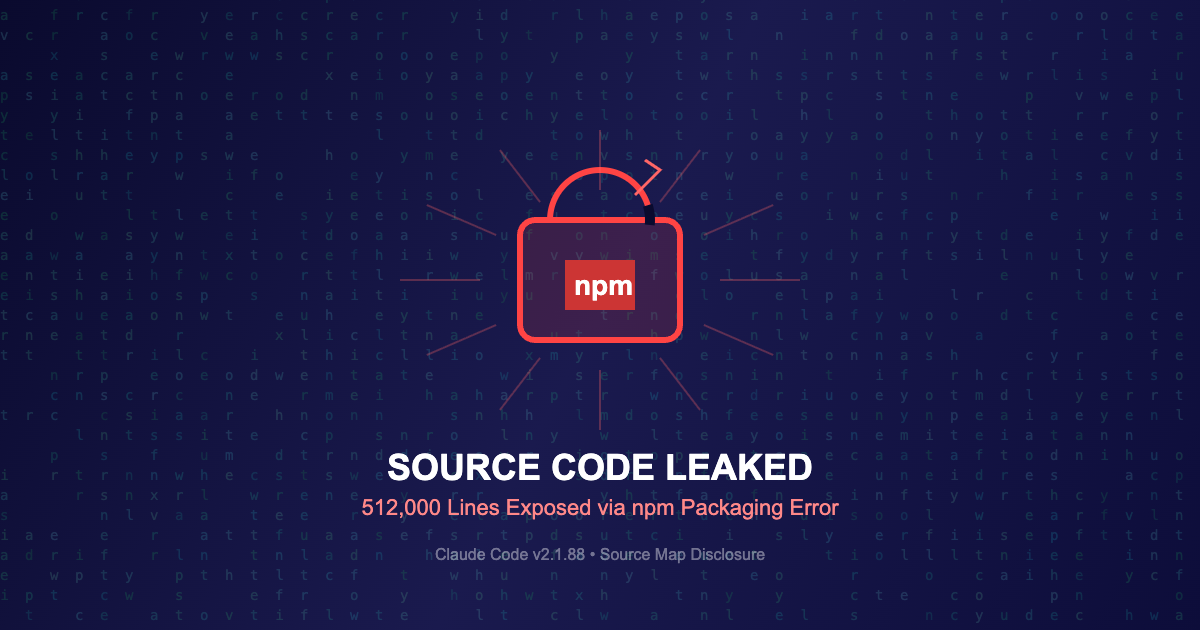
April 9, 2026
A packaging error in an npm release exposed 512,000 lines of Claude Code's TypeScript source, revealing hidden features, internal codenames, and a secretive 'Undercover Mode.' It's the second time it's happened.
Read more →
April 8, 2026
The FBI searched Americans' communications 278,000 times last year under FISA 702 -- no warrant needed. Your AI chatbot conversations are fair game. Here's what's at stake and how to protect yourself.
Read more →
April 8, 2026
Every time you ask ChatGPT a question, you're building a profile. Here's what that actually means — and why anonymous AI access is the only rational choice.
Read more →

April 8, 2026
xAI's Grok generated thousands of CSAM images per hour before anyone stepped in. A class action has been filed, the California AG is investigating, and the EU has ordered document preservation. Here's the full story — and what it means for AI accountability.
Read more →
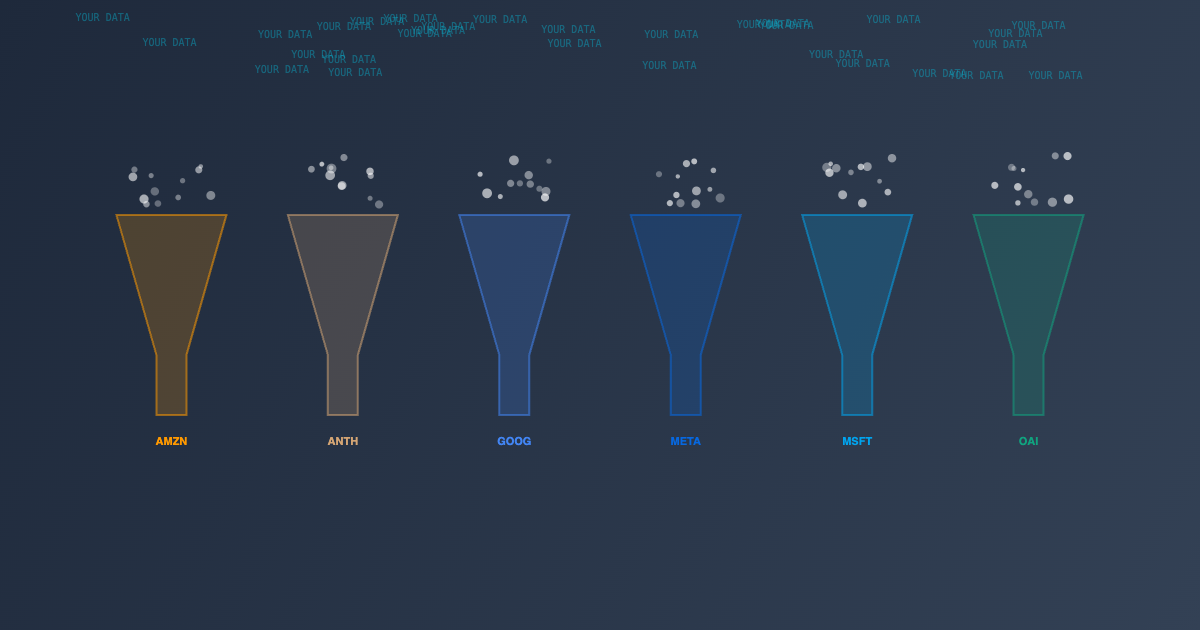
April 8, 2026
A Stanford study examined Amazon, Anthropic, Google, Meta, Microsoft, and OpenAI. Every single one trains on your chats by default — and the opt-out? Good luck finding it.
Read more →
April 8, 2026
From Chat & Ask AI's 300 million exposed messages to Sears' 4-hour ambient audio recordings — it's not bad luck. It's a broken industry. We mapped every major AI data breach since January 2025.
Read more →
April 8, 2026
OpenAI's new browser scored 0 in tracker blocking, memorized a user's reproductive health provider, and failed nearly every privacy test. We break down exactly what it collects — and why this matters for anyone who values private thought.
Read more →
April 8, 2026
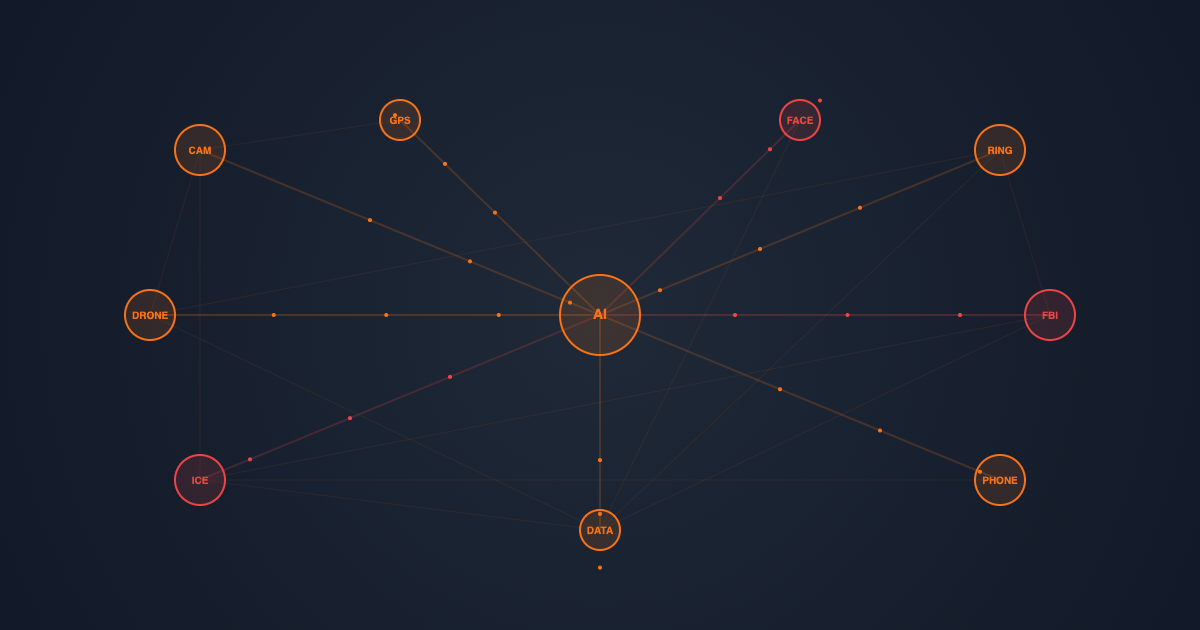
Three separate stories — Amazon Ring's Familiar Faces, the FBI's drone RFI, and ICE's $45M AI stack — are actually one story about a surveillance infrastructure being built around all of us. We connected the dots.
Read more →
April 8, 2026
The NYT copyright lawsuit just forced OpenAI to produce 20 million conversation logs. The conversations users thought were private are now evidence. Here's what it means for everyone who's ever typed something sensitive into ChatGPT.
Read more →
April 8, 2026
Senators Hawley and Blumenthal just introduced a bipartisan bill that would let Americans sue AI companies for using their data without real consent. Here's what it would actually do, what it won't do, and why GPTAnon doesn't need the law to tell us how to treat your data.
Read more →
April 8, 2026
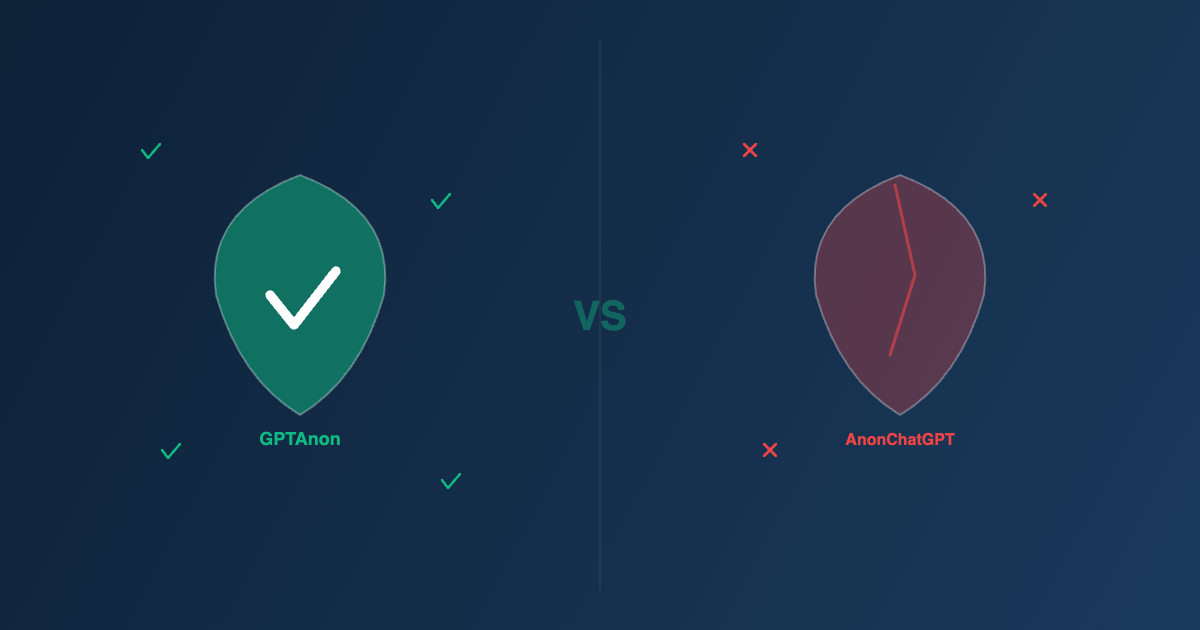
Comparing GPTAnon and AnonChatGPT side by side — models supported, privacy architecture, features, and limitations. Find out which platform truly protects your privacy in 2026.
Read more →
April 8, 2026
Lawsuit reveals Perplexity AI secretly funnels all your searches to Meta and Google — even in Incognito mode. Your AI conversations were never private.
Read more →
April 8, 2026
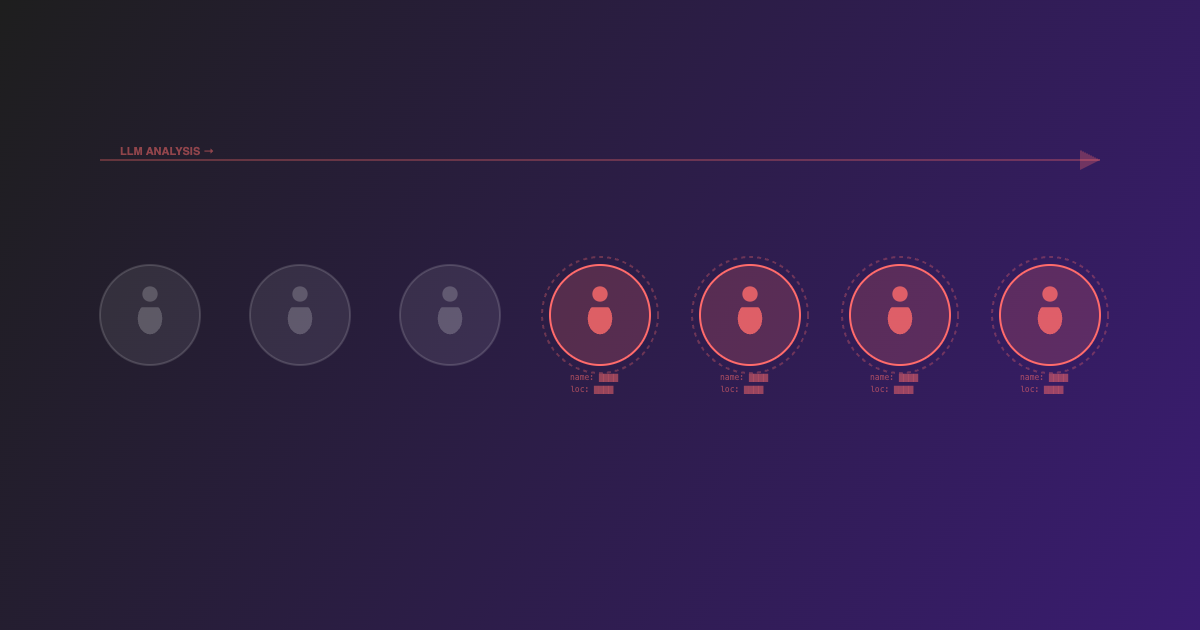
New research from ETH Zurich and Anthropic shows that LLMs can re-identify pseudonymous Reddit and Hacker News users from writing patterns alone — for as little as $1-4 per person. The era of casual online pseudonymity may be over. Here's what the research found, who's at risk, and what you can do about it.
Read more →
April 8, 2026
Federal agencies are buying your location data from brokers instead of getting a warrant. Now AI is turning that data into comprehensive life profiles — automatically and at scale. The FISA Section 702 vote on April 20 might be our last chance to close this loophole.
Read more →
April 8, 2026
Ninety-two percent of AI privacy research focuses on memorization. A Northeastern University study says we're looking at the wrong problem — and the real threats are far more dangerous than a chatbot regurgitating your data.
Read more →